
Yellow Birch
Betula alleghaniensis
Active Threats to Yellow Birch
LDD Moth (Spongy Moth)
Formerly known as Gypsy Moth. Caterpillars defoliate trees in late spring, with periodic outbreak years causing severe damage.
Signs to watch for:
- •Visible caterpillars with blue and red spots
- •Skeletonized or completely eaten leaves
- •Egg masses on tree trunks (tan, fuzzy patches)
- •Frass (caterpillar droppings) under trees
Recommended Action: Healthy trees typically survive defoliation. Repeated years of heavy feeding may require professional intervention.
Free consultation available
Overview
Ontario's largest native birch. Locally it is a tree of cool, moist hardwood and mixed forest north of Belleville, the Shield edge north of Highway 7 and shaded ravines and wet woods, growing with sugar maple, beech, hemlock and white pine. It is much less common in town than white birch, and the warm, dry clay lots of the Bay of Quinte lowlands are a poor fit for it.
Yellow birch is the official tree of Quebec. Oil of wintergreen can be distilled from its bark, and the hard, attractive wood is still used for flooring, cabinets, veneer and furniture.
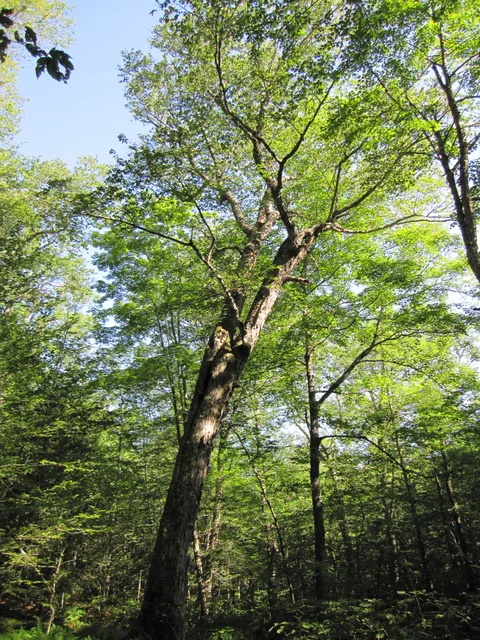
Full Tree
Identification
Leaves
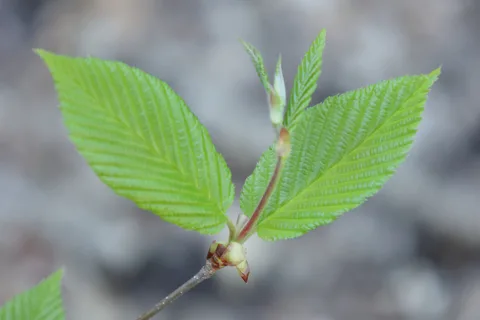
Deep yellowish-green, oval leaves with a pointed tip, fine double teeth and 9 or more pairs of straight, parallel side veins, each ending in a larger tooth. They turn clear yellow in fall.
Leaves
Bark
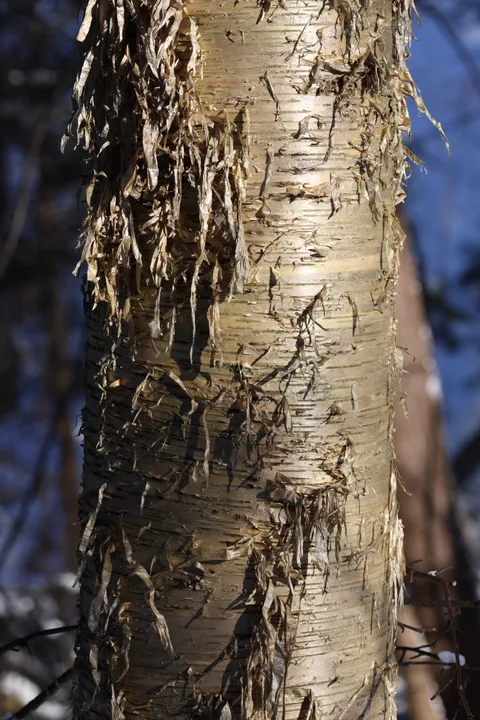
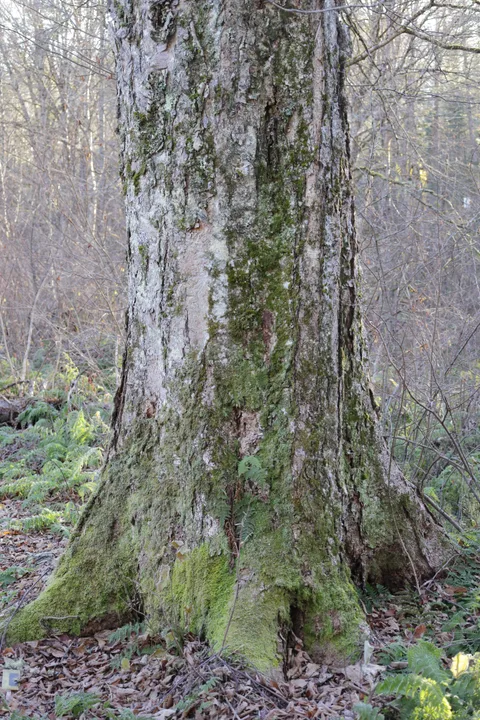
The shiny golden to bronze bark that peels in thin, ragged horizontal curls gives the tree its name. It does not peel off in sheets like white birch. On very old trees the lower trunk becomes dull, dark and plated. Never peel bark from a living birch; it can disfigure or kill the tree.
Bark
Flowers
Slim male catkins form in late summer, hang on through winter and shed pollen in spring. Upright female catkins appear with the new leaves in late May to early June.
Fruit
Short, upright, egg-shaped seed catkins ripen in late summer and break apart through fall and winter, scattering tiny winged nutlets. Good seed years come every 2-3 years; seeds and buds feed many birds and small mammals.
Valuable wildlife food source
Growing Conditions
Climate
Fully hardy, but a cool-climate tree that needs steady moisture. Hotter summers, drought and low snow cover in Eastern Ontario raise the risk of dieback and bronze birch borer, especially for trees planted in open, sunny lawns.
Hardiness Zones: 3a, 3b, 4a, 4b, 5a, 5b, 6a, 6b
Light Requirements
Soil
Moisture: moist
Drainage: well-drained, moderate
pH Range: 4.5 - 7
Tolerance
Care & Maintenance
Pruning
Best Season: Fall, Winter
Frequency: Minimal; structural pruning when young, then deadwood removal
- Prune in late fall or early winter, once leaves are off and before sap starts moving
- Birches bleed heavily if cut in late winter and spring; the sap loss is mostly cosmetic but messy
- Keep wounds small; large cuts and mechanical injuries let decay fungi in
- Remove dead or dying branch tips promptly and look for borer exit holes on them
Avoid: Late winter through spring (heavy sap flow); May to August, when bronze birch borer adults are active and attracted to fresh wounds
Watering
Establishment: Water deeply weekly for the first two to three growing seasons
Mature: Needs cool, consistently moist soil; a wide mulched root zone keeps roots cool
Seasonal Care Timeline
Spring
- Heavy sap bleeding if pruned now
- Check for branch-tip dieback as leaves open
- Leafminer blotches on new leaves
Summer
- Drought and heat stress
- Bronze birch borer adults active and laying eggs
- Sapsucker drilling
Fall
- Best time to prune (after leaf drop)
- Look for mushrooms or conks at the base and trunk
- Deep water before freeze-up after a dry summer
Winter
- Ice loading on long, spreading limbs
- Check bare crowns for dieback and borer damage
- Browsing on young trees
Common Issues
Bronze Birch Borer
SevereA native wood-boring beetle and the most serious insect pest of yellow birch. It attacks trees weakened by drought, heat, root damage or age; once top dieback starts, trees often die within 2-3 years.
Symptoms: Dieback of the upper crown, D-shaped exit holes in the bark, Ridges or swollen bumps on branches over larval tunnels, Sparse, yellowing leaves
Treatment: Lightly infested trees may be saved with systemic insecticide plus watering and mulching; heavily infested trees cannot be saved and should be removed.
Prevention: Plant in cool, moist, partly shaded sites; water in drought; protect roots and avoid wounding.
Professional arborist recommended
Birch Dieback (Heat and Drought Stress)
HighYellow birch is a cool-climate tree. Prolonged drought, warm soils and winters with little snow cover kill its fine roots and lead to branch-tip dieback, which in turn invites borers and canker fungi.
Symptoms: Small, yellowing or curled leaves in midsummer, Dying branch tips at the top of the crown, Early leaf drop, Sprouting along the trunk
Treatment: Deep watering, organic mulch over the root zone, removal of dead wood.
Prevention: Choose a site with cool, moist soil and some afternoon shade; keep lawn and compaction off the root zone.
Trunk Decay and Armillaria Root Rot
HighOld yellow birch commonly carry heart rot. The chaga fungus (Inonotus obliquus) and Phellinus are the main trunk decayers, and Armillaria (shoestring root rot) is the most common root and butt rot.
Symptoms: Black, cracked chaga growths or hoof-shaped conks on the trunk, Cavities and soft wood at old wounds, White fungal mats under bark at the root collar, Honey-coloured mushrooms at the base in fall
Treatment: No cure. An arborist can assess how much sound wood remains and whether the tree or parts of it should be removed.
Prevention: Avoid trunk and root wounds, especially from mowers and construction.
Professional arborist recommended
Nectria Canker
ModerateThe most common stem disease of yellow birch, causing target-shaped cankers, twig blight and crown dieback.
Symptoms: Sunken, target-like cankers with concentric ridges, Dead twigs, Small red fungal bodies around canker edges
Treatment: Prune out cankered branches in dry weather; large trunk cankers weaken the stem and should be assessed.
Prevention: Keep trees vigorous and avoid bark injuries.
Birch Leafminer and Sapsuckers
LowBirch leafminer prefers white and grey birch, and larvae may not finish developing on yellow birch. Yellow-bellied sapsuckers favour yellow birch and drill rows of small holes for sap; heavy feeding can weaken a tree.
Symptoms: Brown blotches inside leaves (leafminer), Horizontal rows of small square holes in the bark (sapsucker)
Treatment: Usually cosmetic; no treatment needed on healthy trees. Wrap heavily drilled trunk areas with burlap for a season.
Prevention: Maintain vigour with water and mulch.
Sources & References
Information compiled from the following authoritative sources:
Quick Facts
When to Call an Arborist
Recommended inspection: Every 2-3 years; yearly once crown dieback appears
- •Dieback at the top of the crown
- •D-shaped exit holes or ridged bark on branches
- •Chaga growths, conks or cavities on the trunk
- •Mushrooms or white fungal mats at the base
- •Large lean or root lifting after storms
Free consultation for Belleville residents
Recommended Services
Based on Yellow Birch characteristics